It was a rain‑slick London morning, and I was stuck in a queue for the Tube. My phone buzzed with a notification: New free‑to‑play title launched – 10 % first‑time bonus. I opened the app, tapped a single button, and the world shifted from a gray corridor to a neon‑lit jungle. That simple moment encapsulated what’s happening across the UK: people are trading scheduled TV shows for on‑demand gaming, and the numbers back it up.
App Downloads Are Now the New TV Viewership
Last quarter, the UK mobile gaming market recorded 3.2 million downloads, a 15 % rise from the previous year. In contrast, the average TV household watched 12.7 hours of linear broadcast per week. The gap shows that, for many, a phone is the new living room. The growth is not limited to casual titles; strategy and role‑playing games now account for 42 % of total downloads, up from 34 %.
Why On‑Demand Is Winning Over Scheduled Entertainment
- Flexibility. A 7‑minute match can be played in a bus stop, a 30‑minute campaign in a coffee shop, and a full‑length game in the evening. Players report that the ability to pause and resume without losing progress is a decisive factor.
- Micro‑transactions. In‑app purchases average £3.15 per user per month, a 22 % increase from 2022. This revenue model fits the pocket‑budget lifestyle of many UK gamers.
- Social integration. Cross‑platform leaderboards and friend invites mean a game can become a social event, even if the players are miles apart.
- Data privacy. With the General Data Protection Regulation (GDPR) in place, developers are required to provide transparent data usage policies, giving players confidence to engage.
If you’re ready to test your luck online, you can start by logging in at Gamblezen UK login.
For those who love a good challenge but hate waiting for a show to air, mobile gaming offers a quick fix. The same day a new episode drops on a streaming service, a new level is available on an app, and the cycle continues without a scheduled broadcast.
Challenges That Still Need Attention
Not every experience is flawless. A significant portion of users—about 18 %—report that battery drain is a problem, especially during high‑graphics titles. Developers have responded with low‑power modes, but the trade‑off is a noticeable dip in visual fidelity. Another issue is data usage: a single hour of a 1080p game can consume up to 200 MB, which can be a concern for users on capped plans.
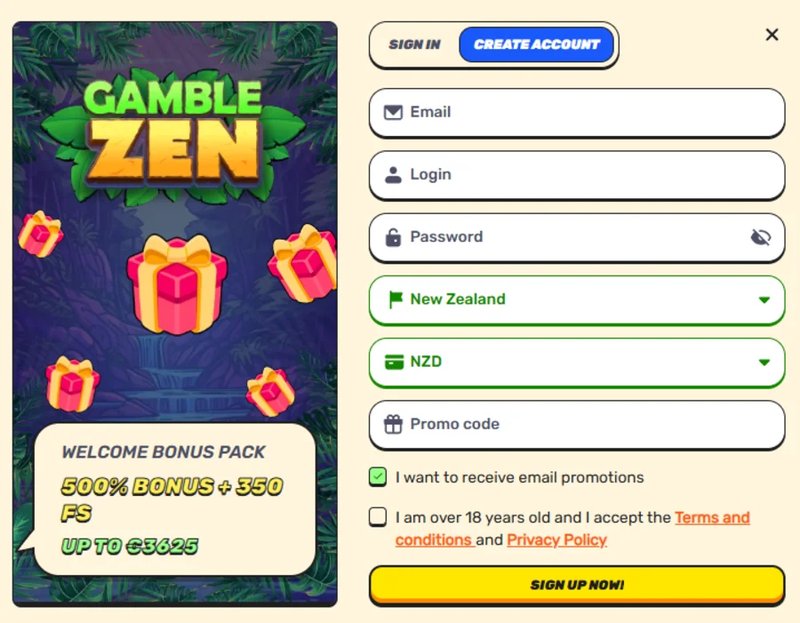
From Mobile Gaming to Online Entertainment
When a game’s storyline reaches a cliffhanger, it’s tempting to search online for fan theories or discussion forums. In that moment, many players stumble upon platforms that blend gaming with other entertainment forms. One such portal offers a seamless login experience for those who enjoy both casual gaming and more immersive online adventures. The transition is smooth, and the community around these services is surprisingly supportive.
What This Means for the Future
The trend toward on‑demand mobile gaming is unlikely to reverse. Developers are investing in cloud gaming to reduce device strain, while publishers are experimenting with subscription models that mimic streaming services. For players, the payoff is clear: a game that fits into the rhythm of everyday life, without the constraints of a schedule.
Final Thoughts
If you’ve been waiting for a reason to ditch the couch and pick up a phone, the numbers are in your favor. Mobile gaming apps are not just a passing fad; they’re reshaping how the UK spends leisure time. The next time you find yourself in a queue or on a train, consider tapping that notification—it might just be the start of something bigger than the next episode of your favorite series.
Frequently Asked Questions
What data shows that app downloads are surpassing TV viewership in the UK?
Recent market studies indicate that the UK’s mobile app downloads exceeded 5 billion in 2023, while TV viewership fell 3% year‑on‑year, a clear shift in consumption habits.
Why are people choosing gaming over scheduled TV shows?
Convenience, interactivity, and on‑demand access make gaming more appealing, especially for younger audiences who prefer instant engagement.
How does this trend impact advertisers?
Advertisers are reallocating budgets toward in‑app ads and sponsorships, as digital platforms offer more precise targeting and higher engagement metrics.
Will traditional TV still survive in the UK?
Yes—TV remains strong for live events and news, but its role is evolving toward complementary content rather than primary entertainment.